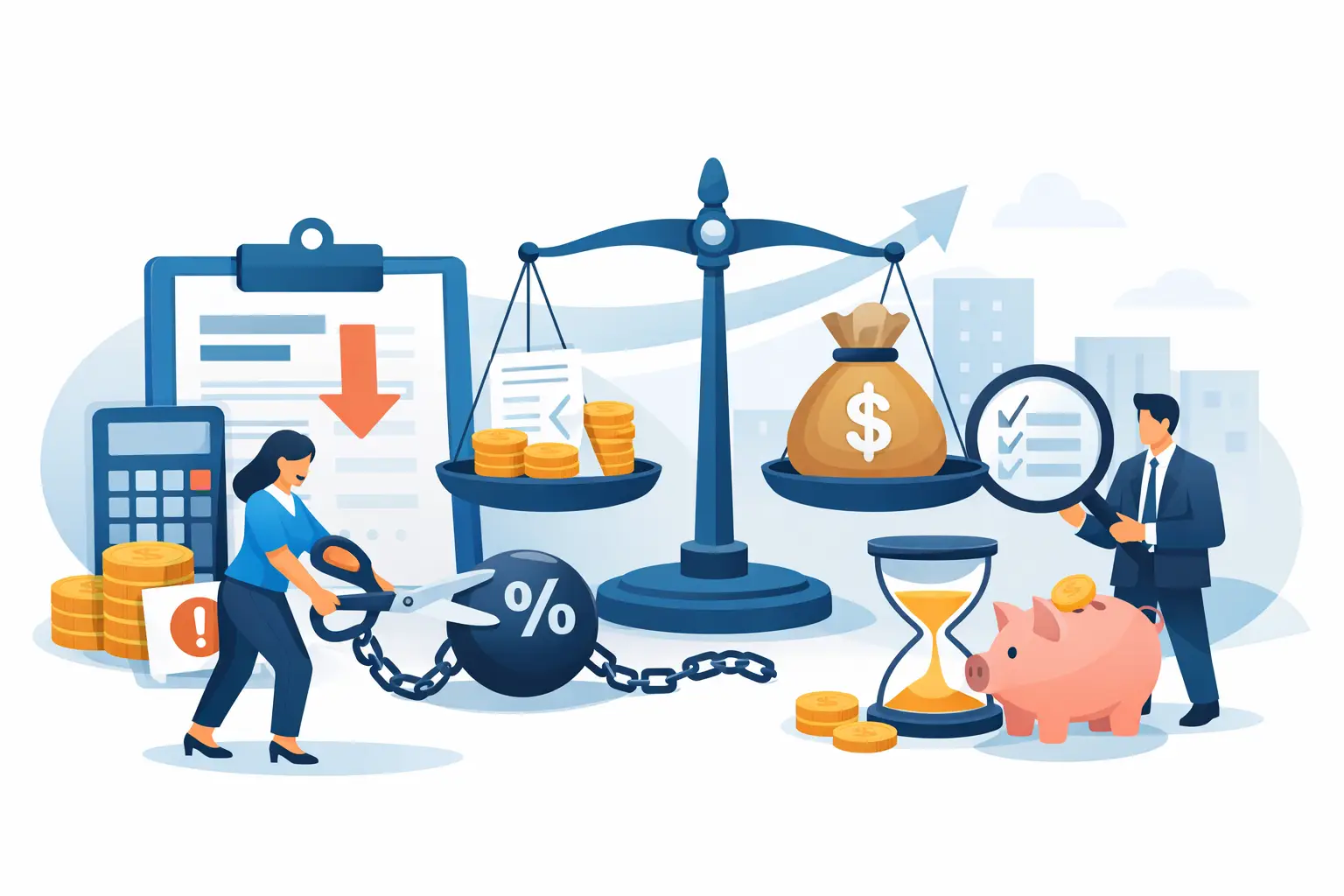
A tax balance rarely stays manageable by accident. Interest continues to accrue, penalties may be added, and ignored IRS notices can eventually lead to more serious collection action. The best ways to reduce tax debt start with understanding exactly what you owe, correcting anything that is wrong, and choosing a resolution option that fits your actual financial situation.
For Cleveland taxpayers and business owners, the right path is not always the fastest-sounding one. Some options can reduce the amount owed, while others make the debt affordable over time. A practical review of your tax returns, IRS notices, income, expenses, and filing history is the foundation for making a sound decision.
1. File All Required Tax Returns First
Unfiled returns are one of the biggest barriers to resolving tax debt. The IRS generally will not approve many relief options until your required returns are filed. If you have missed multiple years, filing them may feel overwhelming, but waiting can make the problem more expensive.
The IRS can create a substitute return when a taxpayer does not file. That return often gives little or no credit for deductions, dependents, business expenses, or other tax benefits you may be entitled to claim. Filing an accurate return can replace the substitute return and, in some cases, lower the assessed balance.
Business owners should also confirm that payroll tax returns, sales tax obligations, and information returns have been handled correctly. Payroll tax debt deserves prompt attention because responsible individuals can sometimes face personal liability for unpaid trust fund taxes.
2. Verify the Balance and Look for Correctable Errors
Do not assume every figure on an IRS notice is final or correct. Request or review your tax account information and compare it with your filed returns, payment records, W-2s, 1099s, estimated tax payments, and prior IRS correspondence.
Common issues include a payment applied to the wrong tax year, a missing estimated payment, income reported twice, or a return filed without a deduction that was available at the time. If the IRS adjusted a return, understand why the adjustment was made and whether you have documents that support a response.
There are deadlines for disputing proposed changes and appealing certain decisions. Acting early preserves more options. A tax professional can help organize records, identify discrepancies, and communicate a clear response when the issue is more complex than a simple payment correction.
3. Request Penalty Relief When You Qualify
Penalties can add a meaningful amount to a tax bill, especially when returns were filed late or payments were missed. Penalty abatement does not erase the underlying tax, and interest generally continues on unpaid tax. Still, removing eligible penalties can reduce the overall debt and stop interest from accruing on those penalties.
First-time penalty abatement may be available when a taxpayer has a compliant filing and payment history for the required prior years and has filed all currently due returns. Reasonable-cause relief may apply when circumstances outside your control contributed to the problem, such as a serious illness, natural disaster, death in the family, or records destroyed by an event you could not reasonably prevent.
A strong request is specific and supported by documentation. Simply stating that you could not afford to pay is usually not enough by itself. Explain what happened, when it happened, how it affected your ability to comply, and what you did to correct the issue once you were able.
4. Use an Installment Agreement You Can Sustain
An IRS installment agreement allows you to pay a tax debt over time. It is often the most practical solution for taxpayers who can pay the balance but cannot pay it all at once. Interest and applicable penalties may continue until the balance is paid, so a larger monthly payment can reduce the total cost if your budget allows.
The key is choosing a payment amount you can maintain. An aggressive payment plan that fails after a few months can create more stress and may put the account back into collections. Before proposing an amount, review household income, essential living expenses, other tax obligations, and business cash flow.
For business owners, separate personal and business finances before evaluating a plan. Clear bookkeeping makes it easier to show what the business can reasonably pay and to avoid using funds needed for payroll, inventory, or essential operations. It also helps prevent a new tax balance from developing while you pay an old one.
5. Consider an Offer in Compromise Carefully
An Offer in Compromise can allow a taxpayer to settle tax debt for less than the full amount owed, but it is not a universal solution. The IRS evaluates your ability to pay based on income, allowable living expenses, available assets, and future earning potential. If the IRS believes you can pay the balance through monthly payments or asset equity, an offer may not be accepted.
This option can make sense when there is a genuine gap between what you owe and what you can realistically pay before the collection period expires. It requires complete financial disclosure and continued compliance with filing and payment requirements. Taxpayers who submit an offer while they are not current on returns or estimated tax payments can lose time and money without improving their position.
Be cautious of promises that an offer will erase your debt for “pennies on the dollar.” A trustworthy evaluation starts with the numbers, not a sales pitch. Sometimes an installment agreement, temporary hardship status, or penalty relief is the better fit.
6. Ask About Currently Not Collectible Status When Hardship Is Real
If paying the IRS would prevent you from covering necessary living expenses, you may qualify for currently not collectible status. This does not forgive the debt. It temporarily pauses active collection efforts while your financial hardship continues, and interest and penalties can still accrue.
The IRS will typically review detailed financial information before granting this status. It may also monitor future refunds and reassess your ability to pay later. For someone facing a job loss, medical crisis, or severe cash-flow interruption, however, it can provide needed breathing room while they stabilize their finances.
This is another area where accurate records matter. Bank statements, pay stubs, expense documentation, and a realistic monthly budget help establish whether hardship status is appropriate.
7. Prevent New Tax Debt While Resolving the Old Balance
The most effective tax resolution plan includes a compliance plan. If you are an employee, review your withholding so enough federal income tax is being paid from each paycheck. If you are self-employed or own a business, set aside funds for estimated taxes and payroll taxes as money comes in rather than trying to catch up at filing time.
For many small businesses, inconsistent bookkeeping is the source of recurring tax trouble. When income, expenses, payroll, and owner draws are tracked regularly, you can see tax obligations before they become a crisis. Monthly financial reviews also make it easier to adjust estimated payments when revenue changes.
JPC Advisers helps individuals and businesses bring tax records into order, address IRS concerns, and build practical systems for staying compliant. Resolution is not only about responding to a notice. It is about creating a financial process that makes the next notice less likely.
When to Get Help With Tax Debt
Professional support is especially valuable when you have multiple unfiled returns, received a levy or lien notice, owe payroll taxes, disagree with an IRS assessment, or need to submit detailed financial information. These situations often involve deadlines and choices that can affect both your current cash flow and long-term financial security.
Bring every notice you have received, along with prior returns, income documents, payment records, and information about your monthly expenses. The clearer the picture, the easier it is to identify whether the balance can be corrected, reduced through penalty relief, settled, or paid over time.
The right next step is usually not to make the largest payment you can scrape together today. It is to get current, understand your available options, and commit to a plan that protects your household or business from falling behind again.

Leave a Comment
Post a Comment