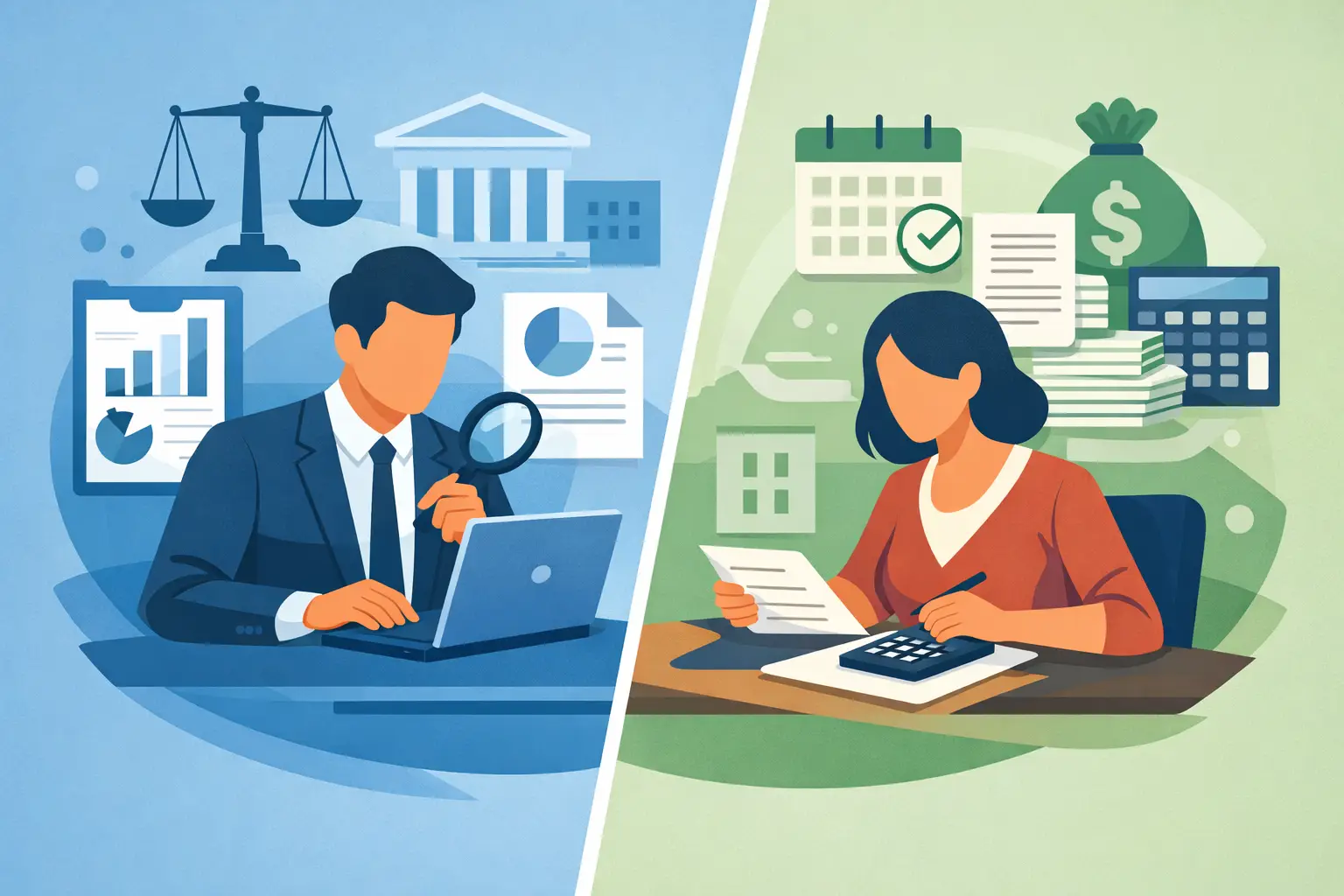
A missed business deduction, an IRS notice, or payroll records that do not match your tax return can turn filing season into a much bigger problem than expected. When considering a cpa versus tax preparer, the right choice is not simply about who can complete forms. It is about finding the level of experience, oversight, and ongoing support your situation requires.
For a straightforward return, a skilled tax preparer may be a practical fit. For a growing business, a complicated financial picture, or a tax issue that extends beyond filing, a CPA may offer broader insight. The key is understanding what each professional does, what credentials matter, and when paying for more specialized help can protect your time, money, and peace of mind.
What a Tax Preparer Does
A tax preparer is a professional who prepares and files federal, state, and local tax returns for individuals or businesses. Tax preparers work with clients to collect documents, identify available deductions and credits, calculate tax liability, and submit returns accurately and on time.
The term tax preparer covers a wide range of professionals. Some preparers focus on basic individual returns during tax season. Others have years of experience handling self-employment income, rental properties, small business filings, or multi-state returns. A paid preparer generally needs a Preparer Tax Identification Number, or PTIN, to prepare federal returns for compensation.
A dependable preparer should ask clear questions about your income, dependents, expenses, prior-year returns, and any changes that could affect your filing. They should also explain what documents they need and review the return with you before it is filed. Accuracy is not optional, whether your return is simple or complex.
That said, a PTIN alone does not indicate a specific level of tax education, accounting training, or authority to represent clients in an IRS matter. Credentials, experience, and the complexity of the work matter.
What Makes a CPA Different?
A Certified Public Accountant, or CPA, is a state-licensed accounting professional. Becoming a CPA requires significant education, passing a rigorous examination, meeting experience requirements, and maintaining continuing professional education. CPAs are regulated by state boards of accountancy and must follow professional and ethical standards.
Tax preparation is one service a CPA may provide, but it is not the entire scope of the profession. A CPA can also assist with accounting systems, financial statements, tax planning, bookkeeping oversight, payroll processes, business entity considerations, and other financial matters. This broader perspective is often valuable when tax decisions affect how a business operates throughout the year.
A CPA may also represent taxpayers before the IRS, subject to applicable professional rules. That can matter if you are responding to notices, facing an examination, addressing tax debt, or trying to correct a filing problem. Filing a return is one task. Managing the consequences of an incorrect return or unresolved tax balance is another.
Still, a CPA designation does not automatically mean that every CPA specializes in taxes. Some focus on audits, financial reporting, consulting, or other areas of accounting. Before hiring one, ask about the types of returns and tax matters they routinely handle.
CPA Versus Tax Preparer: The Differences That Matter
The most meaningful difference between a CPA and a tax preparer is usually the scope of support. A tax preparer may be an excellent resource for completing an accurate return based on the information you provide. A CPA may be better positioned to connect tax filing with accounting records, cash flow decisions, payroll, business structure, and longer-term planning.
Credentials are another difference. A CPA holds a professional license and must meet ongoing education and compliance requirements. A tax preparer may be credentialed or uncredentialed, depending on the individual. Some tax preparers have advanced qualifications and deep tax expertise, while others primarily work on basic filings. It is worth asking directly about training, experience, and the types of clients they serve.
Representation is also a practical consideration. If a tax issue develops after filing, you want to know who can help you respond. Certain credentialed tax professionals, including CPAs and enrolled agents, generally have broader IRS representation rights than uncredentialed preparers. Do not assume your preparer will be able to handle an audit, appeal, or collection matter just because they prepared the original return.
Finally, consider whether your tax return is part of a larger financial process. A W-2 employee with a standard deduction may need timely, accurate filing. A Cleveland business owner balancing payroll, bookkeeping, sales tax, contractor payments, and quarterly estimates needs coordinated financial information all year. Those are very different needs, even though both end with a tax return.
When a Tax Preparer May Be the Right Fit
A qualified tax preparer can be a sensible choice when your finances are straightforward and your main need is accurate, efficient filing. This may apply if you have regular W-2 wages, limited investment activity, no business ownership, and no major changes from the prior year.
A preparer can also be helpful if you have a clear set of records and want assistance claiming deductions or credits you may qualify for. The value comes from reducing filing errors, meeting deadlines, and having a professional review of your information rather than relying on guesswork.
Even with a simpler return, choose carefully. Ask who will actually prepare the return, whether they sign it as the paid preparer, how they protect your personal information, and how they handle questions after filing. Be cautious of anyone who promises an unusually large refund before reviewing your documents or encourages deductions you cannot support.
When a CPA May Be Worth It
A CPA is often worth considering when your return involves business income, multiple income sources, substantial deductions, property transactions, or decisions that could affect future tax years. The additional cost may be justified when better planning or cleaner financial records help you avoid costly mistakes.
Business owners commonly benefit from CPA-level support because business taxes depend on more than year-end forms. Income and expenses need to be properly categorized. Payroll must be handled correctly. Estimated payments need attention. Personal and business finances should be separated. If the books are incomplete, preparing a return can become slower, more expensive, and less reliable.
A CPA can also be a strong choice after a life or business change. Starting a company, adding employees, becoming self-employed, buying or selling property, receiving a large settlement, or inheriting assets can all create tax questions that go beyond routine preparation. Getting advice before a decision is often more useful than trying to fix its tax impact after the fact.
If you have received an IRS notice, owe back taxes, or are concerned about an audit, look for a professional with specific tax resolution experience. A CPA can be part of that solution, but the provider should understand collection alternatives, documentation requirements, and the process for communicating with tax authorities.
Consider an Enrolled Agent, Too
The choice is not always limited to a CPA or a tax preparer. An enrolled agent, or EA, is a federally licensed tax professional who specializes in taxation and has broad rights to represent taxpayers before the IRS. An EA may be an excellent fit for tax preparation, tax planning, and IRS representation.
For many clients, the best provider is the one whose expertise matches the issue at hand. A business that needs tax filing, monthly bookkeeping, payroll administration, and ongoing financial guidance may benefit from a firm that can coordinate those services. A taxpayer with a specific IRS collection matter may need a professional focused on tax resolution. Credentials provide useful information, but relevant experience and responsive service are just as important.
Questions to Ask Before You Hire Someone
Before sharing your financial records, ask how the professional handles situations like yours. Find out whether they work with individual taxpayers, self-employed clients, or businesses in your industry. Ask what is included in the fee, whether tax planning is separate from return preparation, and what support is available after the return is filed.
You should also ask how they communicate. Tax matters can be time-sensitive, particularly when payroll deadlines, estimated payments, or IRS notices are involved. A provider who is accessible, organized, and clear about next steps can reduce stress long before a deadline arrives.
For business owners, ask whether the firm can support the financial work that happens between tax seasons. Clean bookkeeping, dependable payroll, and regular financial review make tax preparation more accurate and less disruptive. JPC Advisers helps clients bring these moving parts together so financial compliance does not become a last-minute scramble.
The right professional should leave you with more clarity, not more uncertainty. Whether you choose a tax preparer, CPA, or another qualified tax professional, select someone who understands your needs, explains your options plainly, and can support you when your financial situation changes.

Leave a Comment
Post a Comment